

Zoom
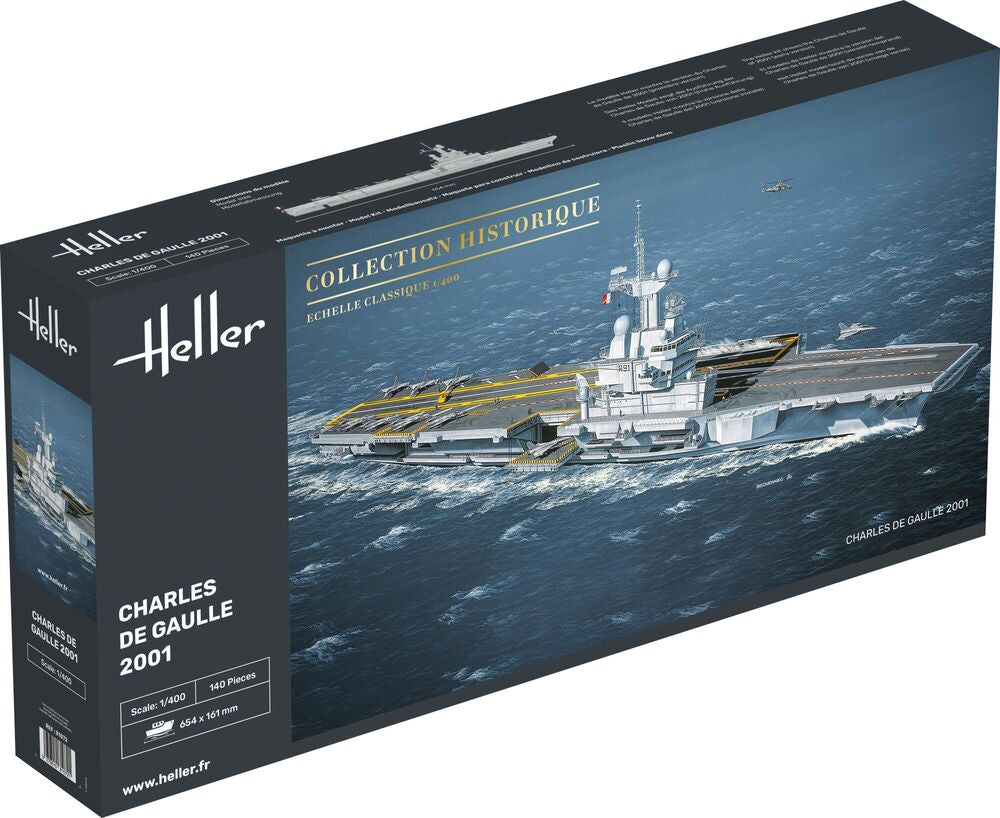
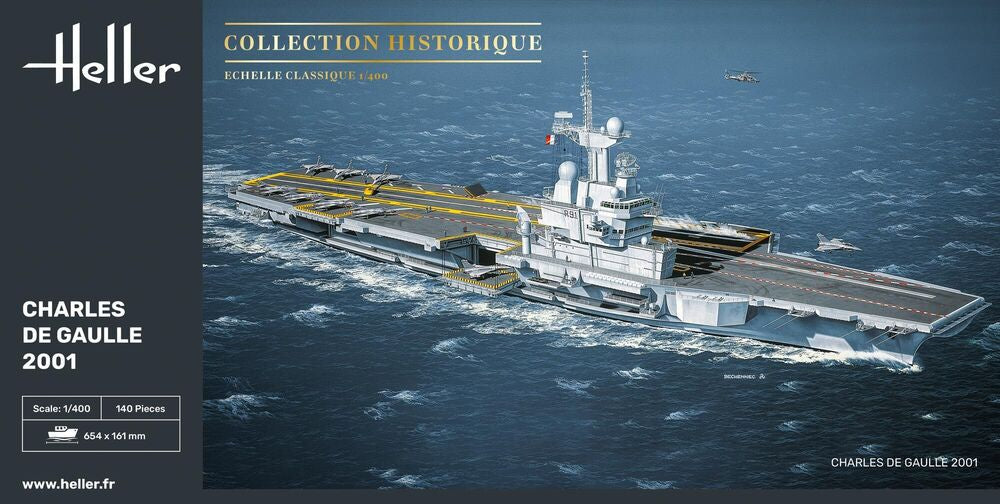


The story of the Charles de Gaulle began in 1974, when the oil crisis shook industrialized nations. In response, the French government decided to begin construction of the Porte-Hélicoptères-75, a 16,400-ton nuclear-powered helicopter carrier, a project that was eventually abandoned. In 1982, the High Council of the French Navy requested that the studies for the nuclear propulsion system of the PH-75 project (which had meanwhile become the Aircraft Carrier-75 and then the PA-83) be used to define a new generation of aircraft carriers that could replace the Clemenceau and Foch before the end of the century. Nuclear propulsion allows the ship to remain at sea longer without refueling. More than 10,000 plans were drawn up by the engineers of the Direction des Constructions Navales (DCN), and on February 4, 1986, construction of the ship, christened Charles de Gaulle, was approved. It was launched on May 7, 1994, and commissioned on May 18, 2001. This aircraft carrier is a true engineering marvel, featuring a system of 12 movable masses of 22 tons each, which counteracts roll and allows the ship to deploy its onboard aircraft at sea in force of five or six. The Charles de Gaulle's shape is camouflaged to reduce its radar signature and make it less easily identifiable. As of 2020, France, along with the United States, is one of only two countries to have completed the construction of a nuclear-powered aircraft carrier.
Wishlist is empty.


